
Solar Lights Losing Charge? Check the Shadow Around the Panel
A solar light needs a clear energy supply as well as a useful lighting position. If buildings, trees or structures shade its panel, the battery may receive less charge even when the fitting is close to the area that needs light. Review the panel location through the day before increasing battery size or replacing the luminaire.
In this guide
Follow the shadow, not just the bright patch
A location that looks sunny during an early visit can be shaded later by a warehouse roof or neighbouring structure. A single photograph does not explain how long the panel receives useful exposure. Record the proposed position at several times and identify the obstruction responsible for each shadow.
Include planned construction, stored containers and tree growth. A temporary stack of materials can become a regular feature of a logistics site. The survey should describe the working environment the system will face, rather than only the clear conditions on the day it is ordered.
Separate the panel position from the lighting task
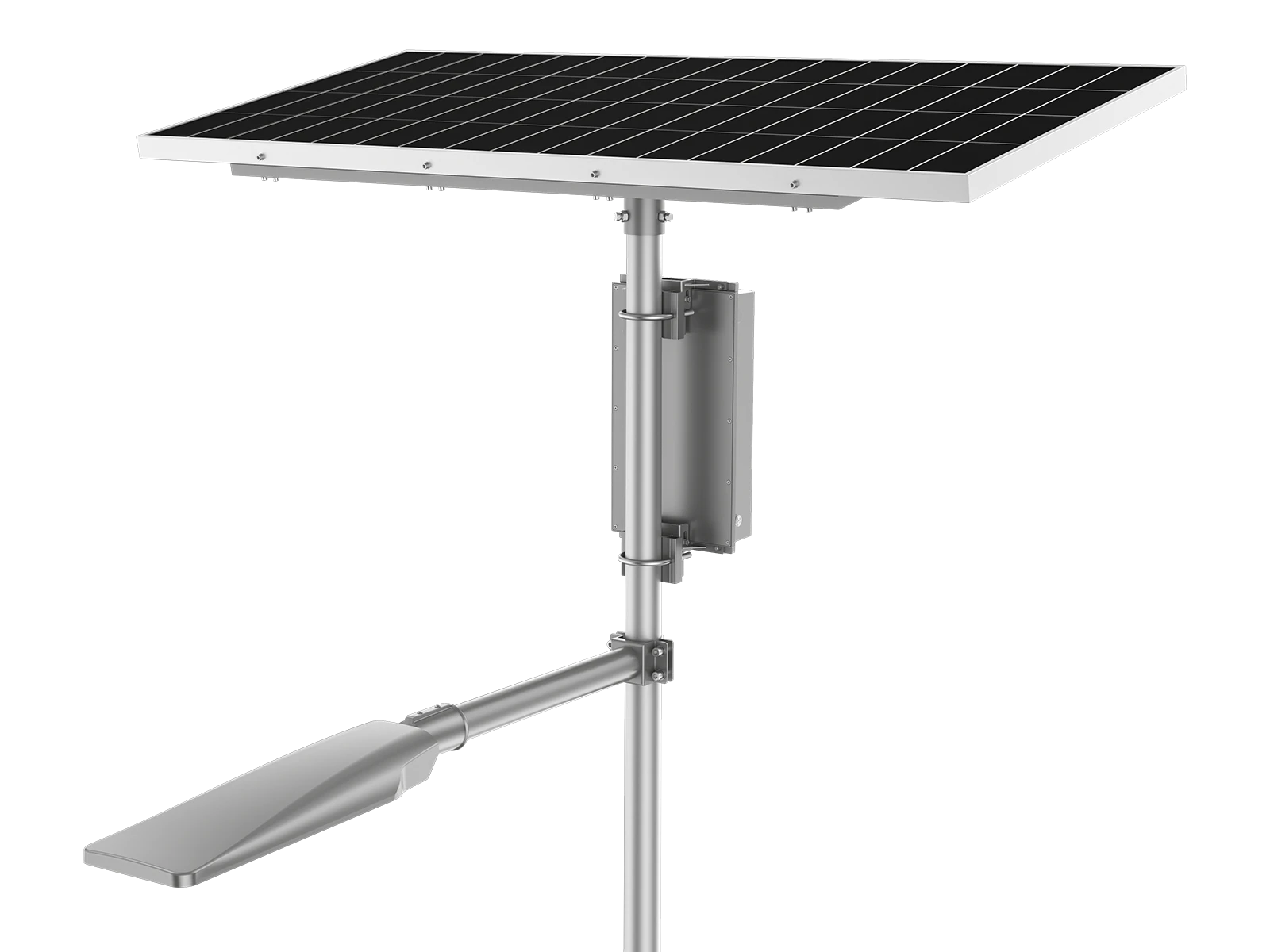
The best place to illuminate a service route may be beside a building, while the best available solar exposure is farther away. An integrated fitting links those two positions closely. A split arrangement can provide more freedom, subject to the permitted cable arrangement, mounting and installation instructions.
Before selecting either format, mark where light is required and where panels could receive exposure. Check whether maintenance access, vehicle clearance and structural fixing remain practical at each proposed position. A panel moved into sunshine can create a different problem if it obstructs equipment or becomes difficult to reach.
Understand what a larger battery can and cannot change
A battery stores energy; it does not create the solar input missing from a shaded location. Extra capacity may change the reserve available, but persistent charging shortfalls still need to be addressed. Compare the expected solar input with the required light level, hours and control pattern.
Keep an operating record if the installation already exists. Note weather, switching behaviour and when the light dims or stops. That history helps distinguish a recurring obstruction from a sudden battery or control fault. Avoid drawing a conclusion from one poor night immediately after unusual site activity.
Prepare a position brief before ordering
A simple plan should show north, the structures around the panel, the route to be illuminated and access restrictions. Photographs should include the surrounding scene rather than only the intended fixing point. Add the hours during which full or reduced illumination is needed.
If a split system is proposed, confirm how its separate components will be supported and connected. Structural and electrical arrangements need appropriate project review. Panel angle and fitting direction should be recorded at commissioning so future staff can recognise a change from the intended setup.
A product to consider: KIRITO SL05
KIRITO SL05 is a split-type solar street light whose catalogue describes independently adjustable LED head and solar panel positions. That arrangement is relevant when useful solar exposure and the required light direction do not coincide. The catalogue also lists motion sensing and programmable timer dimming.
Shortlist the exact panel, battery, control and mounting configuration against the site brief. Independent adjustment provides a positioning option; the completed system still needs enough solar input for its selected operating profile. Confirm the installation instructions and the permitted arrangement before placing the order.
Common questions
Can a bigger battery compensate for a permanently shaded panel?
Extra storage can change the reserve available, but the system still needs enough collected energy to replenish it. A persistent input deficit should be addressed through the site and system assessment. Establish the shading pattern, required operating profile and permitted component positions before treating battery size as the remedy.
What photographs help explain solar panel shading?
Show the panel position and the surrounding roofs, trees, containers or structures at different relevant times. Add a simple site plan and identify the hours of observation. Close-up panel photographs alone may miss the object casting the shadow, while a single clear view can conceal conditions later in the day.
Our team brings more than 30 years of professional lighting industry experience, with locations in Kajang and Johor. Send the proposed panel positions, shadow photographs and route requirements with your enquiry. We can discuss the selected KIRITO configuration and supply details, including delivery across East Malaysia and West Malaysia.
Discuss your solar lighting requirements